
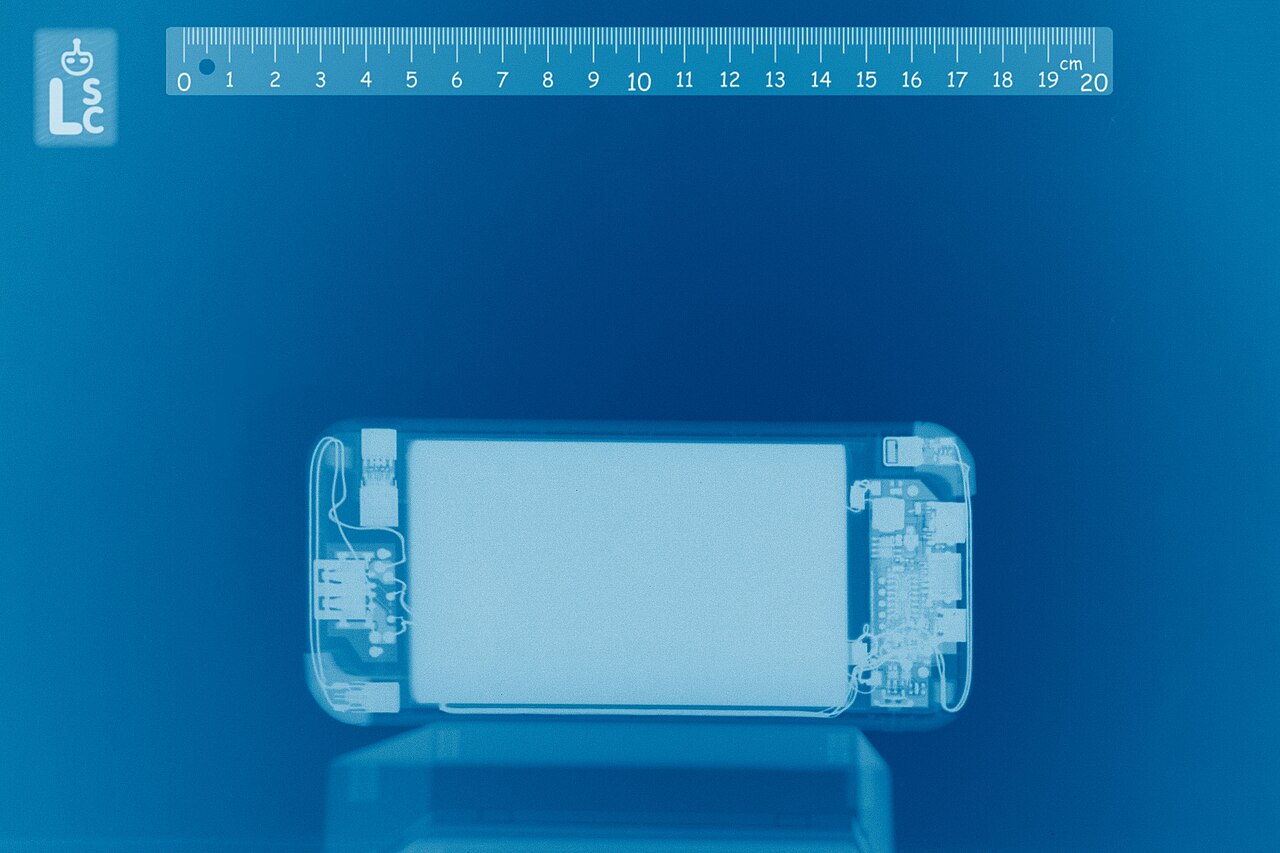
This is part of our tech gadgets buying guide. A good power bank is cheap insurance against a dead phone at exactly the wrong moment, a long travel day, a festival, an emergency, but capacity, charging speed, and physical size trade off against each other in ways worth understanding before buying.
Anker: the category’s broad, reliable default
Anker has built a strong, consistent reputation across a wide range of power bank sizes and capacities, from pocket-sized options to high-capacity models for multi-day trips, with generally reliable build quality and safety certifications that matter for a product literally designed to store and discharge electrical energy repeatedly.

Belkin: strong integration with Apple’s ecosystem
Belkin offers power banks with particularly good MagSafe compatibility for iPhone users (magnetic attachment and wireless charging without a cable), a genuine convenience specifically for Apple ecosystem users over a generic USB-cable-only power bank.
Comparison
| Brand | Best for | Key strength |
|---|---|---|
| Anker | General reliability across sizes | Broad range, safety reputation |
| Belkin | iPhone/MagSafe users | Magnetic wireless charging |
Capacity: match it to your actual use case, not the biggest number
Power bank capacity is measured in milliamp-hours (mAh), and a bigger number isn’t automatically better since it comes with real size and weight tradeoffs. A capacity that provides roughly one to two full phone charges is genuinely sufficient for most daily carry use; multi-day capacity is only necessary for travel, camping, or situations without reliable outlet access for an extended period. Buying the highest-capacity option available “just in case” often means carrying unnecessary bulk and weight daily for a scenario that rarely happens.
Charging speed: check compatibility, not just the number
Fast-charging specifications (various wattage ratings and standards) only deliver their advertised speed if both the power bank and your specific device support the same charging standard; pairing a fast-charging power bank with a device that doesn’t support fast charging simply charges at the device’s normal speed regardless of the power bank’s rated capability. Check your specific phone or laptop’s supported charging standard before paying a premium for a power bank’s advertised fast-charging spec that your device can’t actually use.
Airline restrictions worth knowing before traveling
Power banks are carried in checked luggage or not permitted at all by most airlines, due to lithium battery fire risk, but generally allowed in carry-on luggage up to a specific capacity threshold. Airlines set specific capacity limits (commonly around 100 watt-hours without special approval), worth checking your specific power bank’s rated capacity against your airline’s current policy before a flight, since a bank over the limit may be confiscated at security.
Laptop charging: a different category of power bank
A power bank sized and rated to charge a phone typically can’t meaningfully charge a laptop, which requires substantially more power delivery. If you need backup power for a laptop specifically, look for power banks explicitly rated for laptop charging (typically higher-capacity, higher-wattage models with USB-C Power Delivery support), a distinct product category from typical phone-focused power banks, usually larger, heavier, and more expensive accordingly.
Solar power banks: a niche worth understanding before buying
Solar-charging power banks add a small photovoltaic panel for topping up without an outlet, appealing for camping or emergency preparedness, but their actual solar charging speed is genuinely slow, usually impractical as a primary charging method and better understood as a slow backup option during extended off-grid time rather than a real substitute for charging via cable beforehand.

Safety considerations worth taking seriously
Cheap, uncertified power banks from unknown brands carry a real fire and battery-swelling risk over repeated charge cycles; sticking to established brands with proper safety certifications is worth the modest price premium over the cheapest unbranded option available. Stop using and properly dispose of any power bank showing signs of swelling, unusual heat, or physical damage rather than continuing to use it.
Common mistakes when buying a power bank
Buying based on capacity alone without checking real charging speed compatibility with your actual devices is a common source of disappointment; the second common mistake is buying an unnecessarily large, heavy power bank for typical daily carry when a smaller, lighter option would cover the actual realistic need just as well.
Related reading
Back to the full tech gadgets buying guide, our guide to best budget smartphones to check your specific phone’s charging standard, and best smartwatches and wearables, another device worth keeping charged on the go.
Frequently asked questions
How many times can a power bank recharge my phone?
This depends on the power bank’s capacity relative to your phone’s battery size, and real-world efficiency losses mean the practical number of full charges is somewhat lower than a pure capacity math calculation would suggest, worth checking specific product reviews for real-world testing rather than relying on the capacity number alone.
Do power banks lose capacity over time?
Yes, like all rechargeable batteries, power banks gradually lose maximum capacity over repeated charge cycles, typically noticeable after a couple of years of regular use, a normal part of lithium battery aging rather than a defect.
Can I bring a power bank on a plane?
Generally yes in carry-on luggage up to a capacity threshold set by the airline, but check your specific airline’s current policy before flying, since rules vary and are enforced at security screening.



[…] Best Portable Chargers & Power Banks […]
[…] Best Portable Chargers & Power Banks […]