
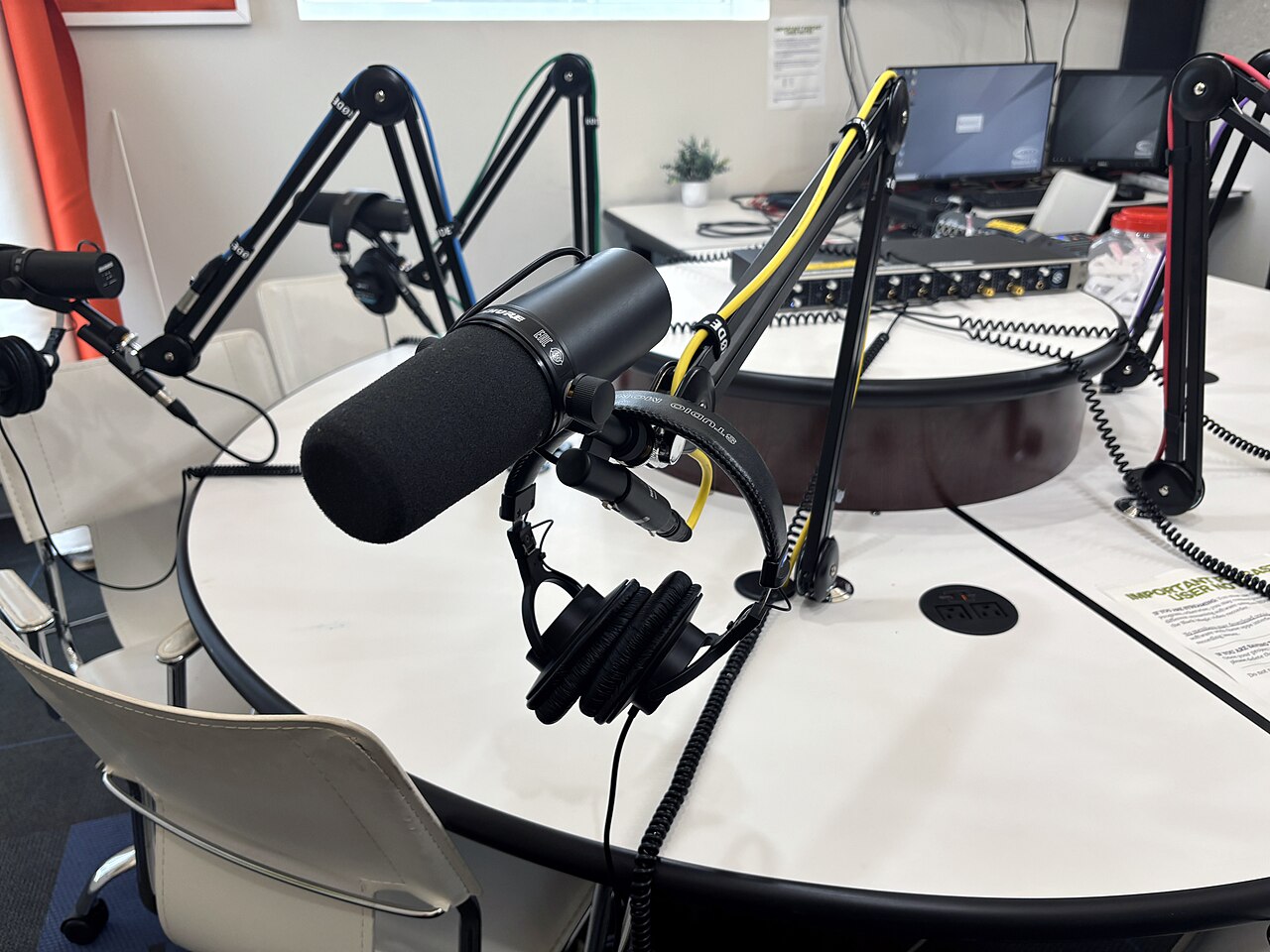
This is part of our full directory of the best AI tools, going deeper into AI voice generation and text-to-speech specifically. Quality in this category has reached a point where generated narration is genuinely difficult to distinguish from a human voice actor for a lot of use cases, which raises the stakes on picking a tool with clear, honest terms around voice cloning consent.
ElevenLabs: the quality leader
ElevenLabs leads this category on realistic voice cloning and text-to-speech, used heavily for audiobook narration, video voiceovers, and multilingual dubbing, generating a voiceover in a different language while preserving the tone and pacing of the original. Its voice cloning feature specifically requires the account holder to have rights to the voice being cloned, worth knowing before assuming you can clone any voice you have a recording of.

Descript: editing audio like a text document
Descript takes a different approach to the whole workflow: it transcribes your audio or video, and you edit the transcript text directly, delete a sentence in the text and the corresponding audio or video segment is removed too. That removes a huge amount of the tedium from podcast and video editing specifically, and its “overdub” feature can even generate replacement audio for a flubbed word using your own cloned voice.
Murf: a simpler alternative for straightforward voiceover
Murf is a solid, more straightforward option when you need a clean voiceover, an explainer video, an e-learning module, a presentation, without needing voice cloning specifically. Its library of stock AI voices across accents and languages covers most straightforward voiceover needs without the added complexity ElevenLabs’ cloning features bring.

Source material still matters
A generated voice reading a poorly structured script still sounds like a poorly structured script, just spoken clearly. These tools handle pronunciation, pacing, and tone well, but they don’t fix bad writing, unclear sentences, awkward phrasing, information in the wrong order, so a script written for natural speech (shorter sentences, a clear structure, the way you’d actually talk through the material) will outperform one written like a formal document read aloud, regardless of which voice generator you use.
Similarly, if you’re cloning a voice from a source recording, the quality of that source recording sets a ceiling on the clone’s quality. A clean recording in a quiet room with a decent microphone produces a noticeably better clone than a noisy phone recording, worth investing a small amount of effort into the source material before assuming the tool will compensate for a poor original.
Pricing: usage-based, not flat
Like AI video tools, voice generation is typically priced around a usage allotment, characters or minutes of generated audio per month, rather than unlimited use at any tier. Estimate your actual monthly output (an hour of podcast narration is a very different volume than a few short social captions) before picking a plan, since the free or lowest tier on any of these tools covers meaningfully less than what a regular content creator will need.
Comparison
| Tool | Best for | Free tier? |
|---|---|---|
| ElevenLabs | Realistic voice cloning, narration, dubbing | Yes |
| Descript | Transcript-based audio and video editing | Yes |
| Murf | Straightforward stock-voice voiceover | Trial only |
The consent question these tools take seriously
Voice cloning raises an obvious risk: generating audio of someone saying something they never said. The reputable tools in this category, ElevenLabs included, have added verification steps for cloning a voice and restrict the feature specifically to voices the account holder has rights to use. Read a specific tool’s voice-cloning policy before assuming you can clone any voice you have a sample of, and never use voice cloning to impersonate a real person without their actual consent, both an ethical line and, in a growing number of jurisdictions, a legal one.
Common mistakes when using AI voice tools
The most common one is picking a voice that doesn’t match the content’s tone, a bright, upbeat stock voice reading a serious topic reads as tonally off in a way listeners notice immediately even if they can’t articulate why. Most tools offer enough voice variety to actually match tone; it’s worth spending the extra few minutes auditioning two or three options rather than defaulting to the first one. The second is skipping a listen-through of the full generated audio before publishing; these tools occasionally mispronounce an uncommon word or proper noun, and catching that before publishing is a lot cheaper than after.
Related reading
Back to the full AI tools directory, and see best AI video generation tools for pairing generated narration with video, and best AI tools for social media content creation if voiceover is part of a broader content workflow.
Frequently asked questions
Can listeners tell an AI-generated voice from a real one?
Increasingly, no, at least on the leading tools for a well-produced piece of content. That’s exactly why the consent and disclosure questions around voice cloning matter more each year rather than less.
Do I need special equipment to use AI voice tools?
No, generation happens on the provider’s servers; you only need a computer to write or upload the script and download the result. The exception is voice cloning, which needs a clean sample recording of the voice you’re cloning, ideally recorded with a decent microphone in a quiet room.
Are these tools good for languages other than English?
Multilingual support varies by tool and has been expanding quickly; ElevenLabs in particular markets its dubbing feature specifically around preserving tone across languages. Check a specific tool’s current language list before committing if this matters for your use case.
Can I use my own cloned voice across multiple projects?
Yes, on tools that support voice cloning, a cloned voice is typically saved to your account and reusable across future projects rather than needing to be recreated each time. This is part of why the consent and verification steps around cloning matter: a saved cloned voice is a persistent asset, not a one-time generation.
How much does AI narration cost compared to hiring a voice actor?
Meaningfully less for most straightforward use cases, a monthly subscription covering substantial narration volume typically costs far less than even a single session with a professional voice actor. Where a hired voice actor still wins is a project where a specific, distinctive human voice and performance genuinely matter to the outcome, brand character work, high-end advertising, rather than clear, functional narration.



[…] Best AI Voice Generators & Text-to-Speech Tools […]
[…] Best AI Voice Generators & Text-to-Speech Tools […]