President Donald Trump said that anyone born with male DNA can never become a woman, no matter how many surgeries they have. He made the remark during a Women’s History Month event at the White House on March 26, 2025. The comment drew praise from supporters and sharp criticism from others.
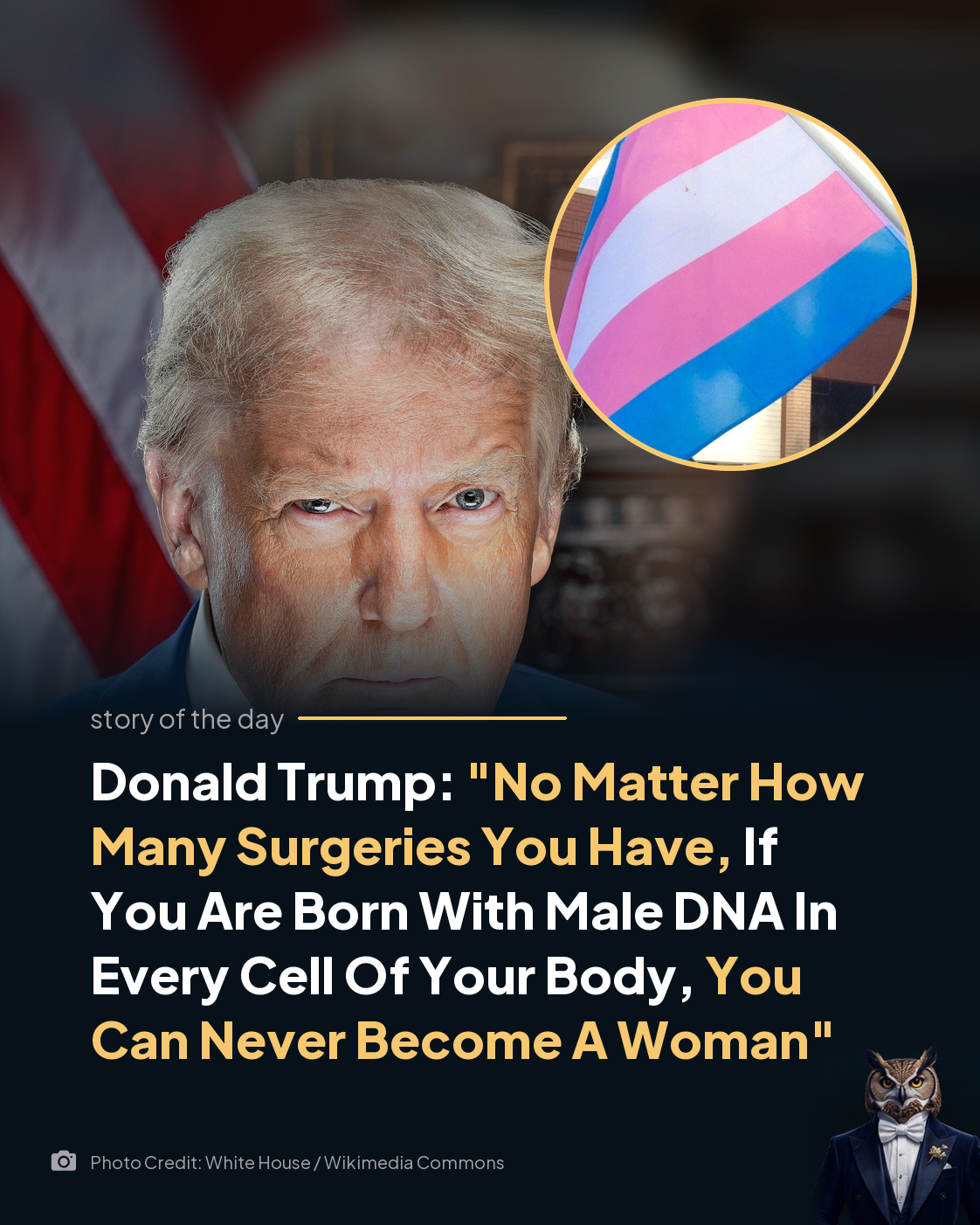
Trump said that no matter how many surgeries or chemical treatments a person has, “you can never become a woman” if you are born with male DNA in every cell of your body. He added that such a person is “not going to be a woman”. The remarks came in the East Room, according to RedState and other outlets.
The statement followed an executive order Trump signed on January 20, 2025. Its title was “Defending Women from Gender Ideology Extremism and Restoring Biological Truth to the Federal Government”. It directs the government to recognize two sexes, male and female.

The order defines sex by the size of reproductive cells at conception. It also calls for keeping transgender women out of intimate single-sex spaces. Agencies were told to use the word sex instead of gender.
A second order, signed on February 28, 2025, targeted gender-affirming care for people under 19. It directs the federal government to stop funding or supporting that care. Federal judges have blocked some of these orders while lawsuits continue.
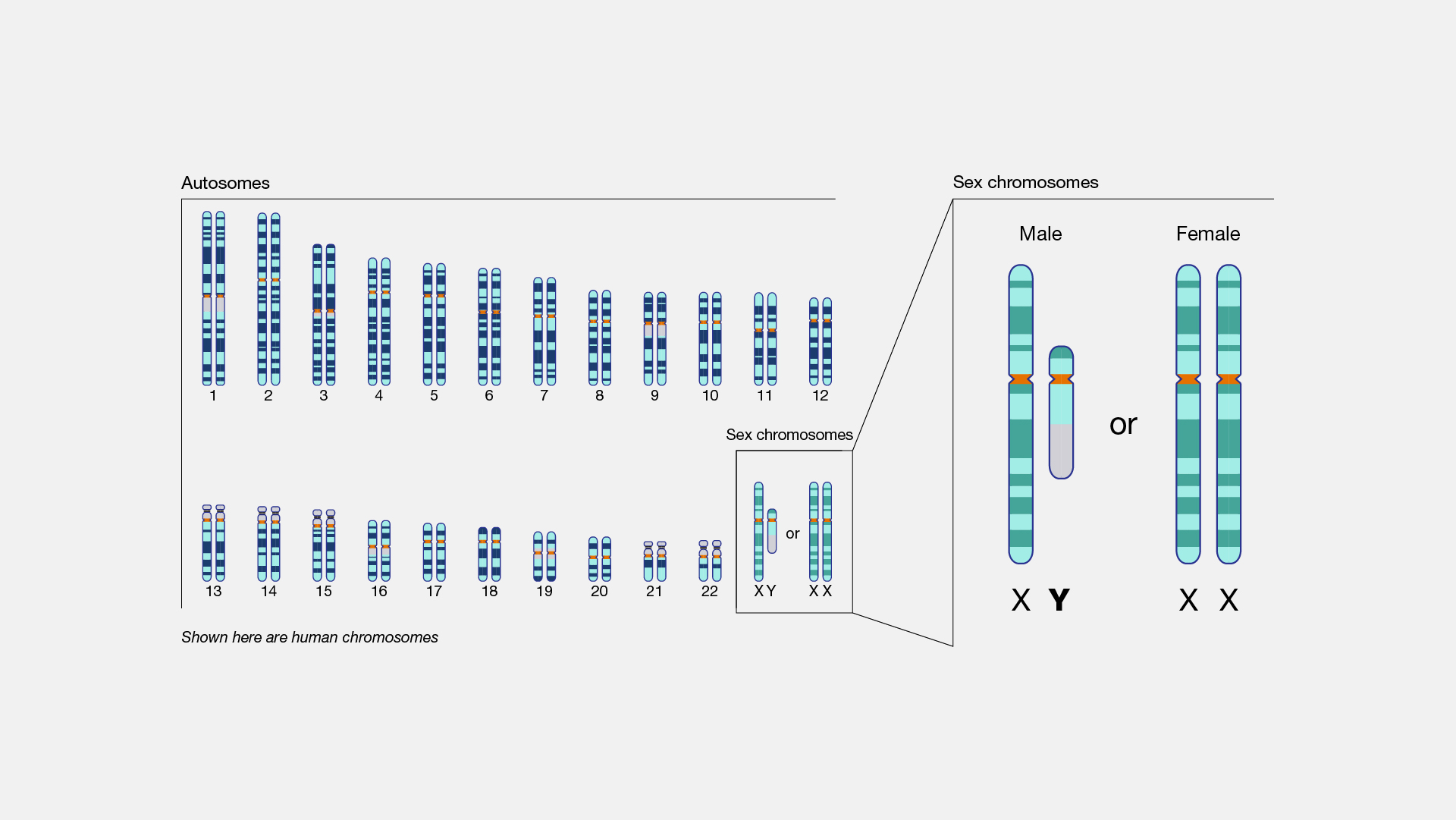
Supporters of the president’s view say it simply states biological reality. They argue that sex is a fixed fact that matters in areas like women’s sports, prisons and changing rooms. For them, clear language protects fairness and safety for women and girls.
Trump also used the event to highlight his order on women’s sports. Supporters see that policy as a promise kept to female athletes. They say separate categories exist for a reason, and that fairness is the point.
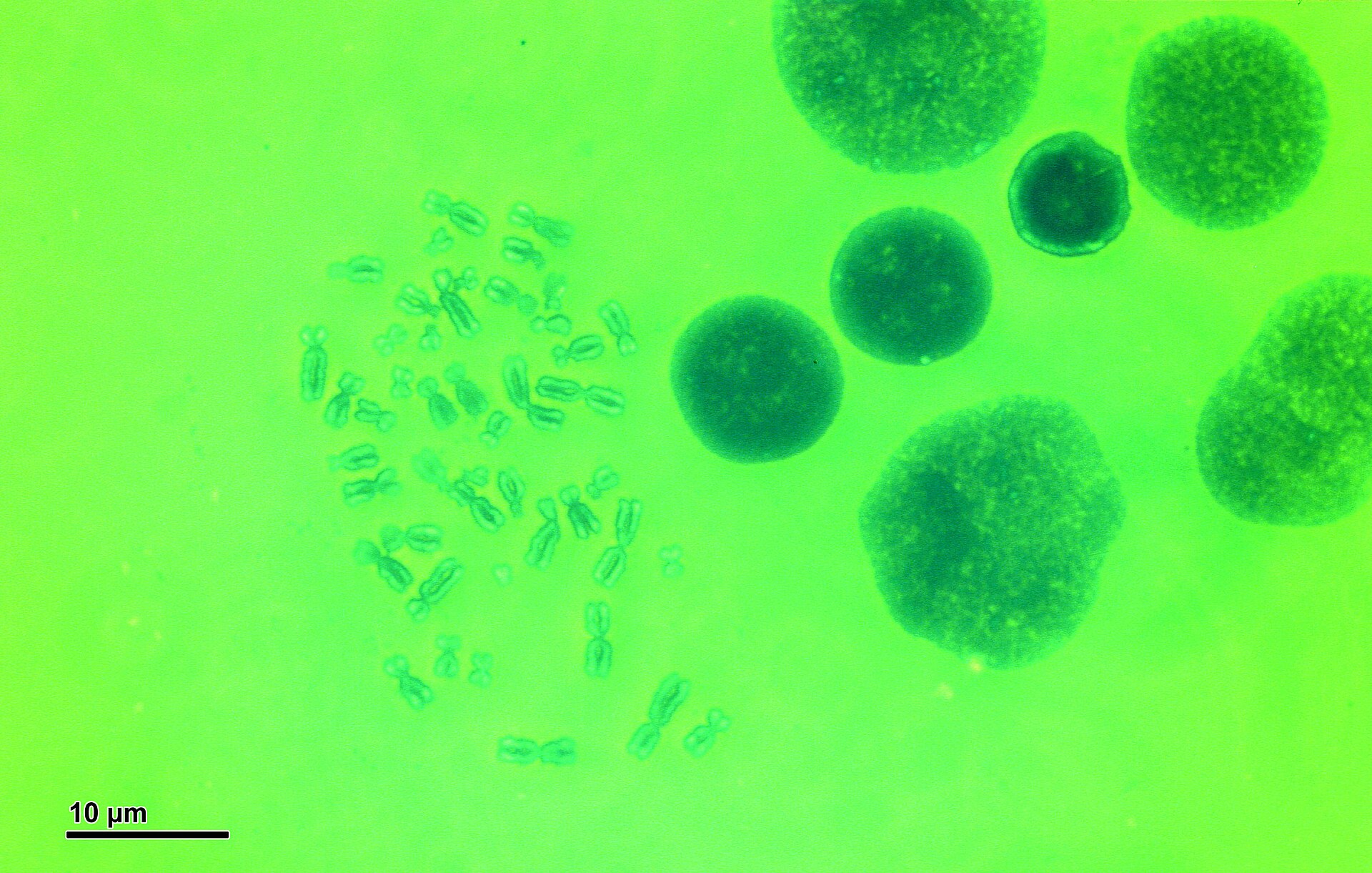
Critics respond that the real picture is more complicated than one chromosome count. Scientists quoted by FactCheck.org say sex refers to a “constellation” of features, including chromosomes, hormones and anatomy. They note that about 1 in 4,500 people are born with differences of sex development.
FactCheck.org did not directly rebut the “male DNA in every cell” line in its review. It did say that Trump’s wider comments on transgender issues were misleading in places. It called the “mutilation” language around care for minors misleading and wrong.

Many transgender people and advocacy groups argue that gender identity is real and deserves legal respect. They say the president’s words erase people who already face discrimination. They also point out that many transgender people do not have surgery at all.
Many medical associations support access to gender-affirming care under a doctor’s guidance. Others, including some European health systems, have urged more caution for minors. The debate over how and when to treat young people is one of the most heated parts of the issue.

The comment is also a legal story. Federal courts are now deciding how far the executive orders can go. Judges have to weigh the administration’s definition of sex against existing civil rights law.
Earlier court decisions on workplace discrimination have shaped how judges see sex and gender. Supporters of the orders say those rulings should not be stretched beyond their facts. Opponents say the administration is trying to rewrite the law by decree.

Politics is another layer of the story. Some polls in recent years have shown Americans divided, with more support for sports limits than for other measures. Neither side is likely to be moved by a single speech.
Lawmakers in many states have passed their own bills on sports teams, bathrooms and medical care. Some of those laws have been challenged in court as well. The result is a patchwork that changes depending on where a person lives.

Words from a president matter because they guide agencies and signal priorities. When Trump speaks about biology, federal departments listen. That is why a single line at a Women’s History Month event drew so much attention.
It also matters for how families talk about the subject at home. Parents, teachers and coaches are looking for clear guidance. Many are unsure what the rules are or where they might change next.

There is room for people to agree on some things. Most want women and girls to have fair opportunities, and most want people treated with dignity. The disagreement is over how to balance those goals.
Science can explain what chromosomes and hormones do. It cannot by itself settle what a society chooses to recognize in law. That part of the debate belongs to voters, lawmakers and courts.

This remark is from March 2025, but the issue has not gone away. New cases, new state laws and new executive actions keep bringing it back. Readers should check current court rulings for the latest status.
So where do you land on the president’s statement? Do you see it as a plain statement of biology, or as a dismissal of people’s lived identity? There are sincere arguments on both sides.
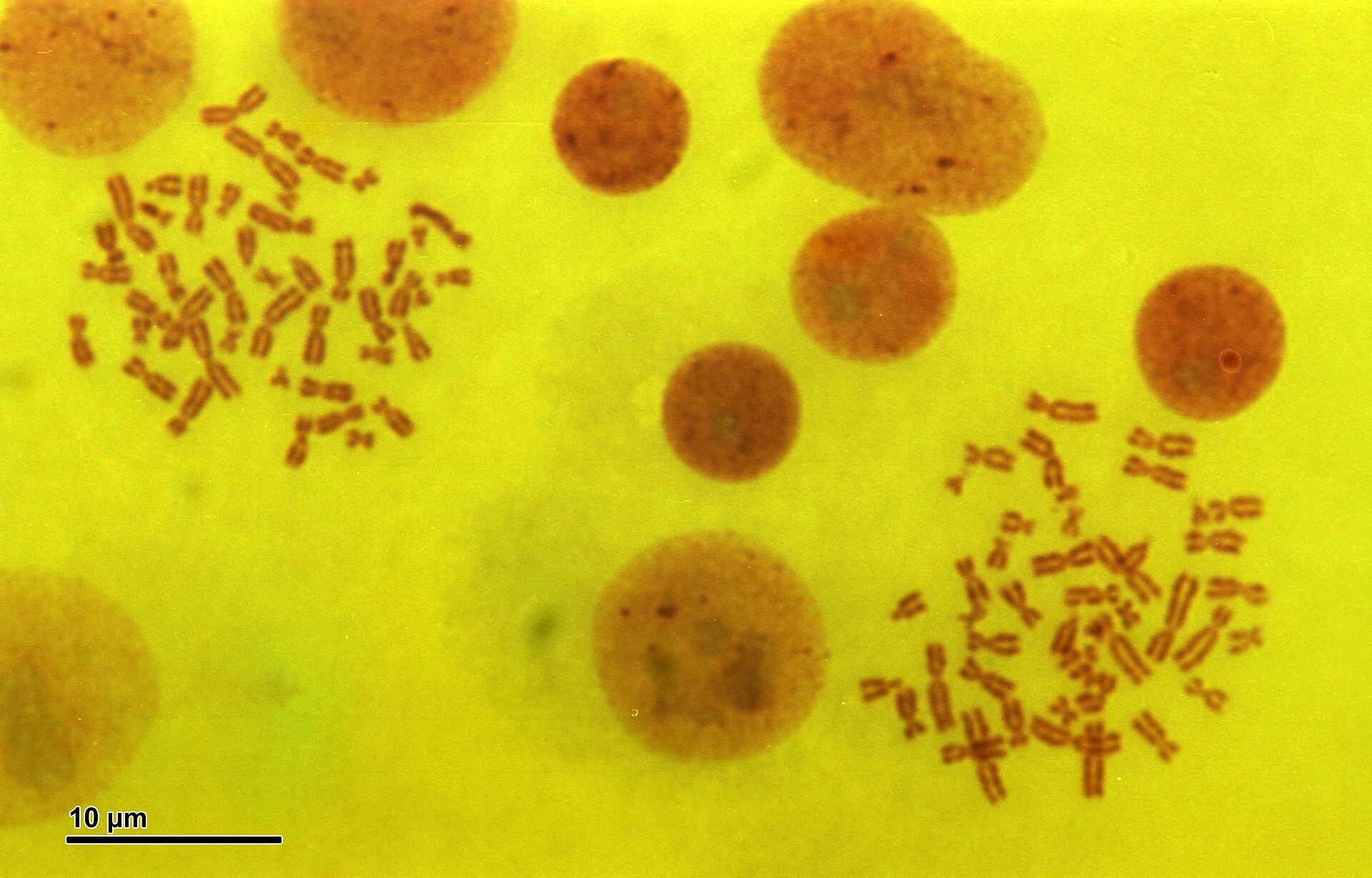
Tell us what you think in the comments. Should the law define sex strictly by biology, or leave room for gender identity? We want to hear respectful views from every side.