North Carolina, Alabama, Kansas, Louisiana, South Dakota and Tennessee have all passed laws that stop their courts from letting foreign or religious legal systems override American law. The popular version of the story says these six states have banned sharia law. The reality is a little more complicated, and it matters for anyone who wants to answer the question honestly.
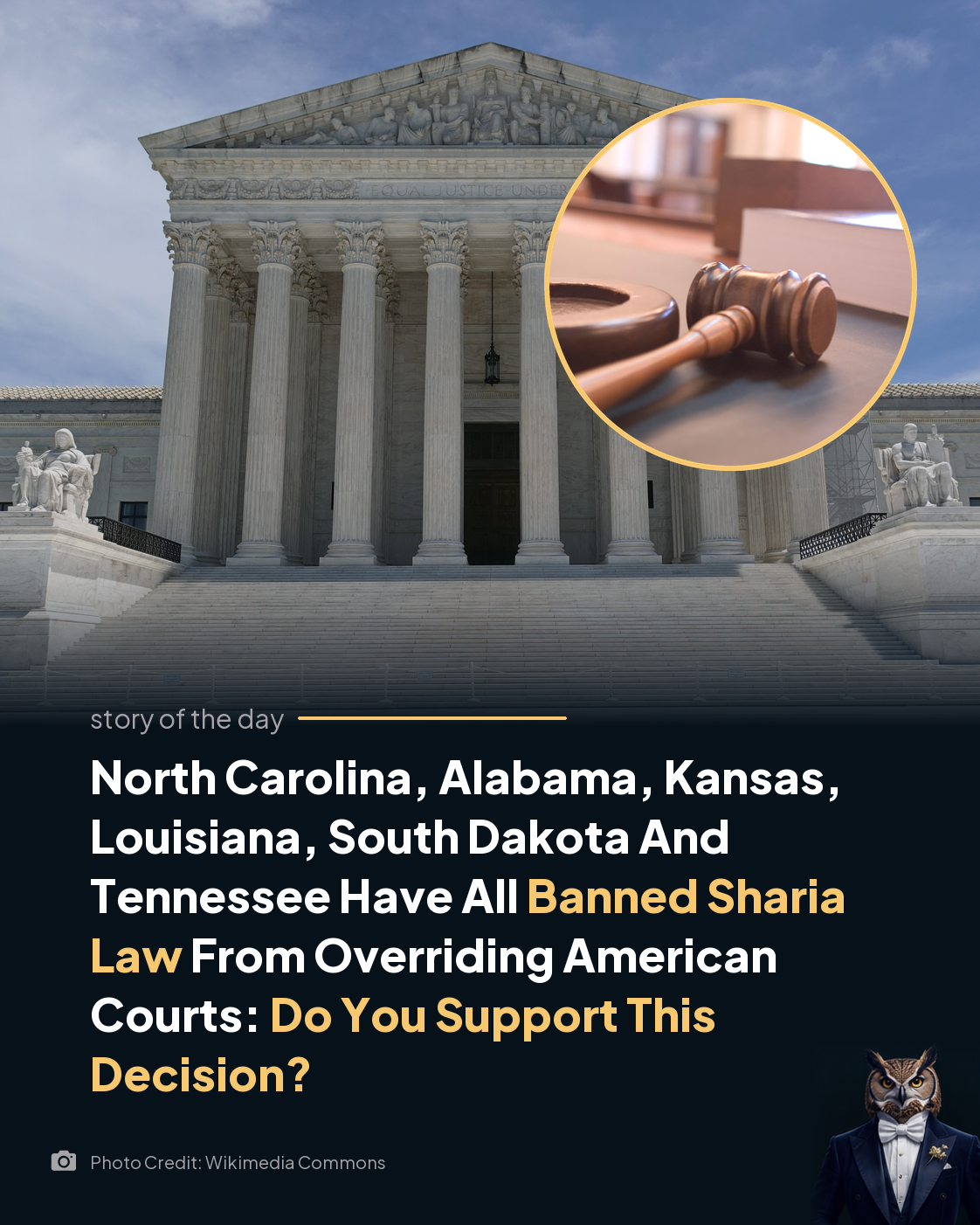
Most of these laws do not actually name sharia or Islam. They tell judges they may not apply any foreign law, or any religious code, when doing so would violate a person’s rights under the state or federal constitution. That is a much narrower rule than the headline suggests.
The first state to try an explicit ban was Oklahoma, whose voters approved a ballot measure in 2010 that named sharia directly. In 2012 the Tenth Circuit Court of Appeals found it likely unconstitutional because it singled out one religion. The measure never took effect.

Supporters learned from that defeat and rewrote their bills in neutral language. Instead of naming one faith, the newer versions speak about foreign law in general. This approach was designed to survive the same constitutional challenge that sank Oklahoma’s version.
Alabama took the constitutional amendment route and put its version in front of voters. North Carolina, Kansas, Louisiana and South Dakota passed statutes along similar lines. Most of these measures date from the 2010s, and each state wrote its own details.
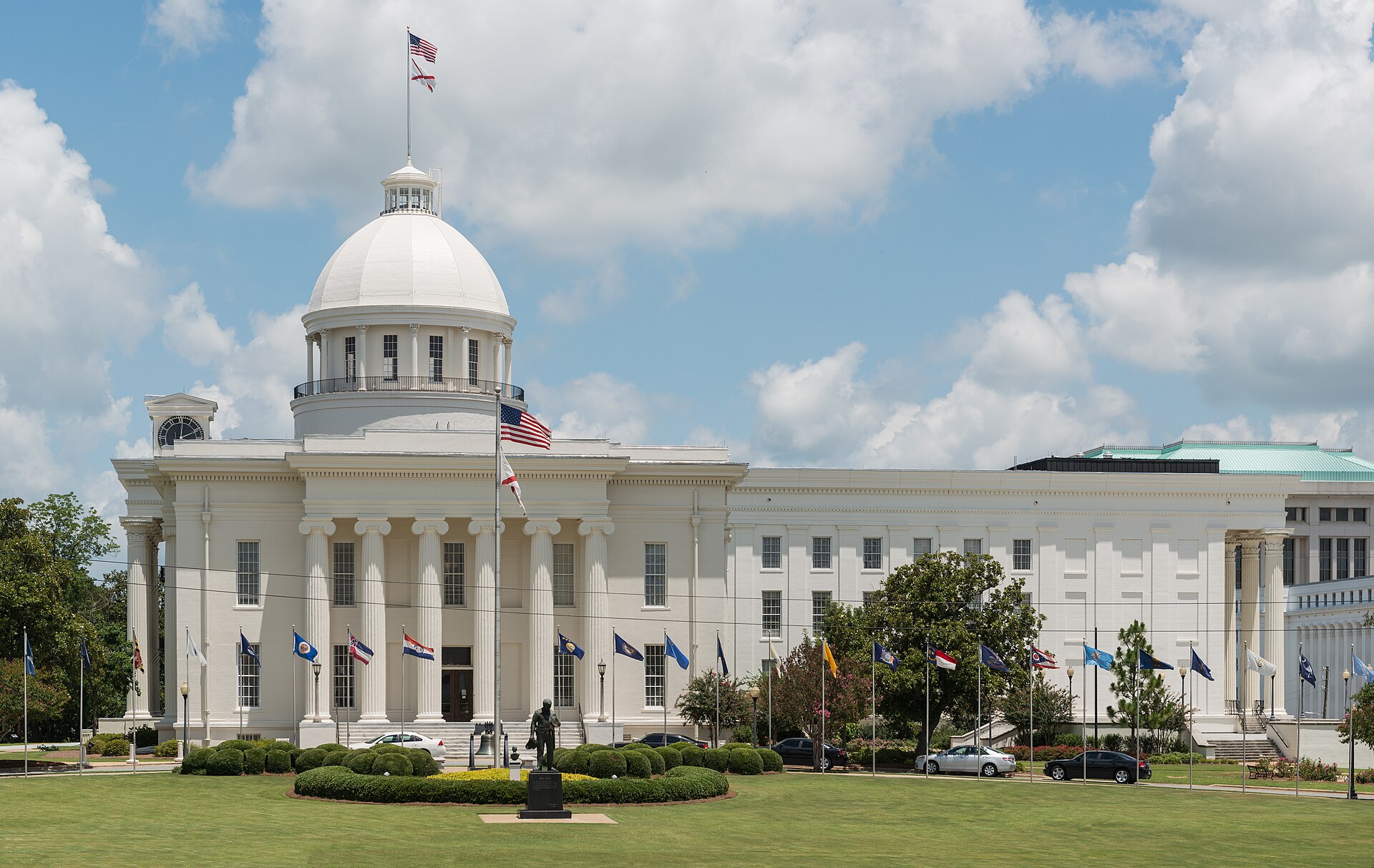
Tennessee is the most recent case in the news. A 2026 bill containing a foreign law provision reportedly reached the governor’s desk after lawmakers removed the word sharia from its text. Sources disagree about its final status, so readers should check the enrolled bill on the Tennessee legislature’s website.
The template behind many of these bills, called American Laws for American Courts, was drafted by attorney David Yerushalmi. It spread through statehouses after 2010, which is why the wording looks so similar from state to state. Backers see a shared common sense idea, while opponents see a coordinated campaign.
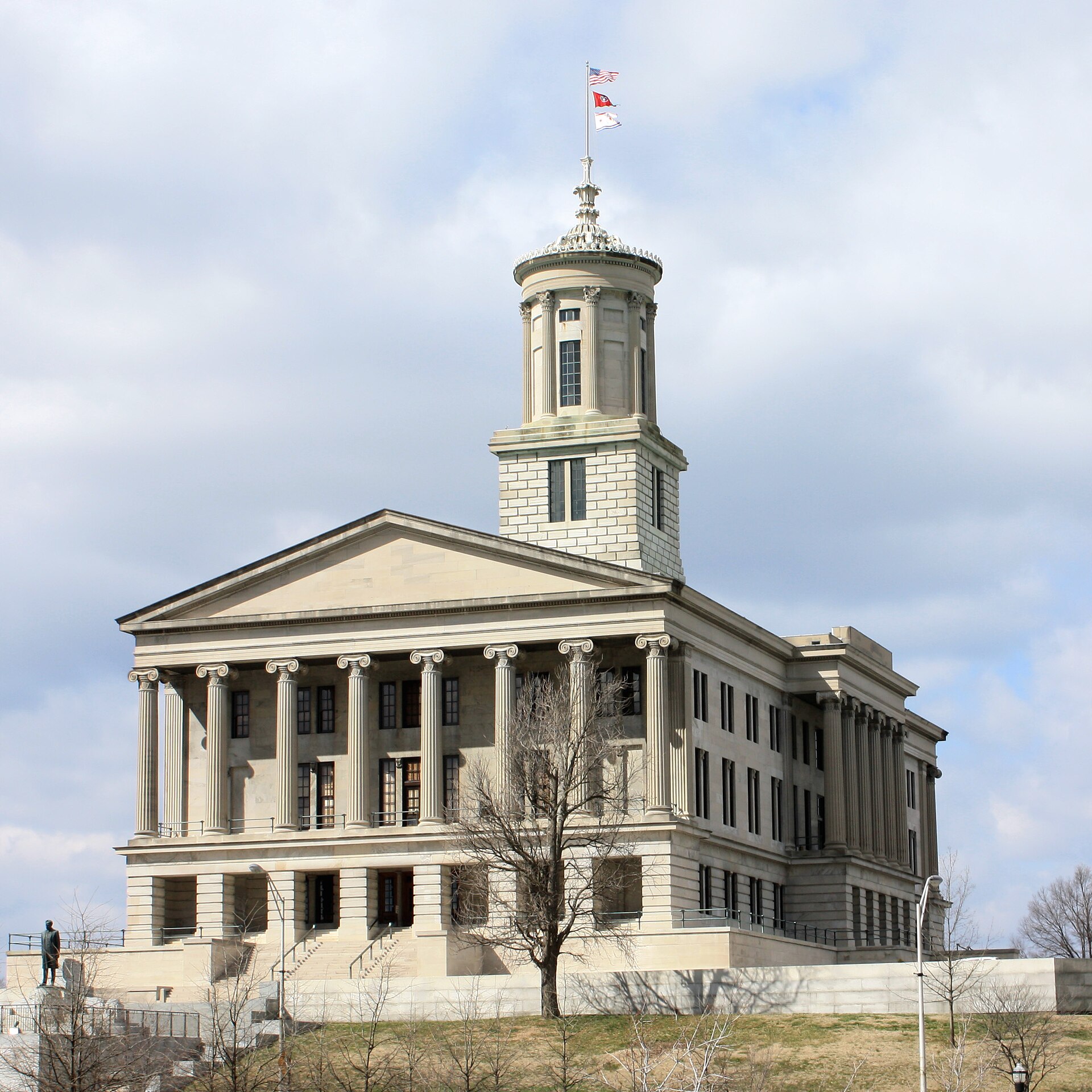
Supporters say the idea is simple and reasonable. In their view, the Constitution is the highest law in the land, and no judge should be able to enforce a rule that takes away free speech, equal treatment or due process. They believe it is better to say so in writing than to wait for a problem to appear.
They point to religious tribunals in other parts of the world that treat women and men unequally in matters such as divorce, custody and inheritance. They argue that American families deserve a clear guarantee that rulings like that will not be recognized here. Many describe the laws as cheap insurance, since a rule that only restates the Constitution should cost nothing to pass.
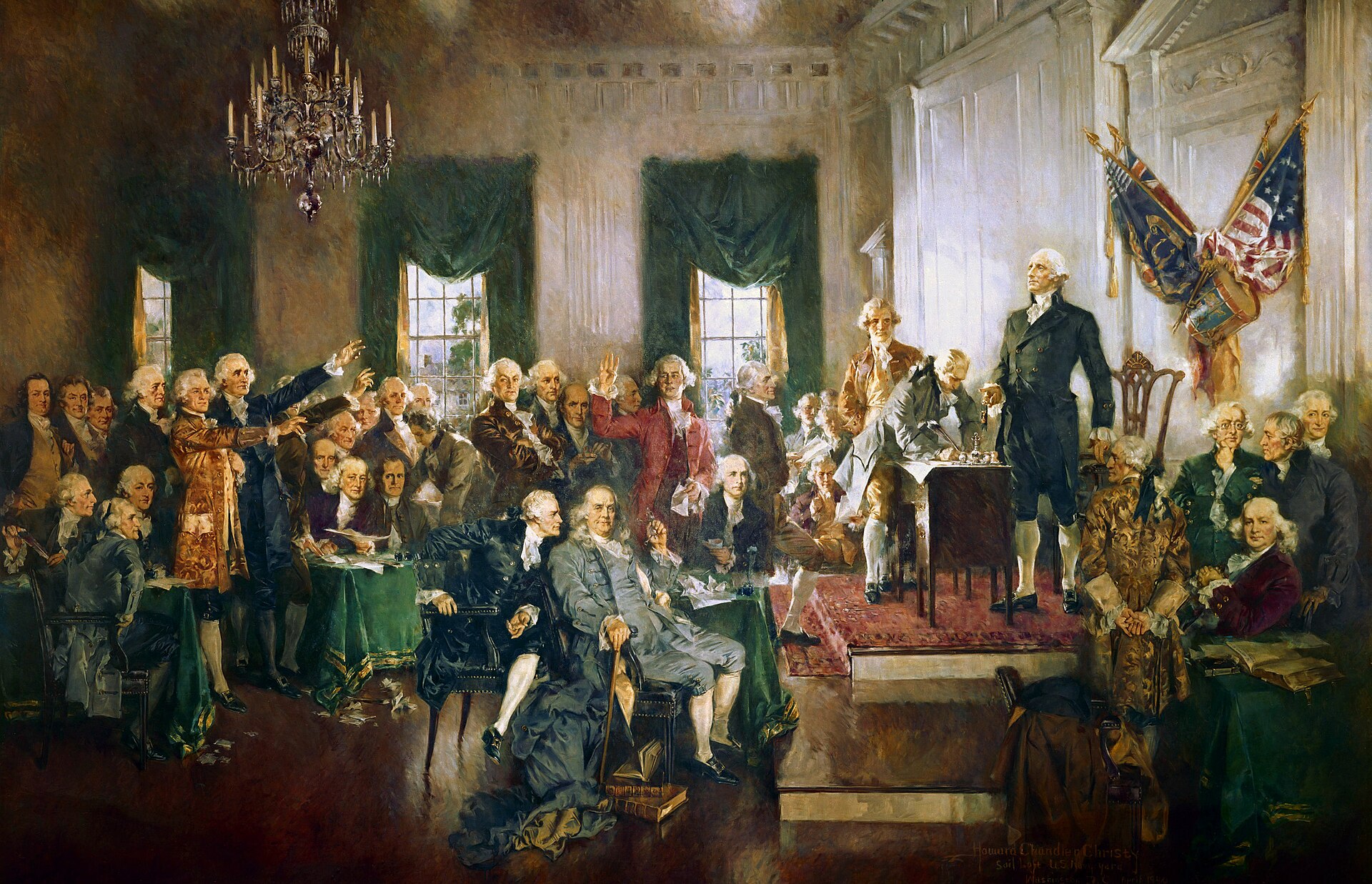
Critics see it very differently. They argue that these laws solve a problem that does not exist, because American judges already cannot enforce anything that violates the Constitution. The Supremacy Clause and the First Amendment, they say, already settle that question.
Legal scholars have pointed out that courts have long applied foreign law in narrow, ordinary situations. Examples include enforcing a contract signed overseas, recognizing a foreign adoption or honoring a divorce decree issued in another country. They worry that broad wording could make those routine tasks harder for families and businesses of every background.
Bar associations and business groups have also raised the concern that vague wording could invite lawsuits over what counts as foreign law in the first place. The cost of sorting that out, they say, would fall on ordinary people and small companies. Supporters answer that a law does not have to be needed every day to be worth having.
Some Muslim and civil liberties groups say the real purpose is political. They argue the bills were pushed by activists who wanted to send a message about Islam, and that even neutral language carries that message. They note that Muslims, like Jews and Catholics before them, are free to use private arbitration and religious counseling so long as the results do not violate public policy.
So where does that leave the question? The answer may depend on what you believe these laws actually do. If they only repeat what the Constitution already requires, they are mostly symbolic, reassuring to some and harmless to others.
If they are drafted too broadly, they could create new legal headaches for families and businesses. And if they are really aimed at one religion, they raise the same concerns that sank Oklahoma’s original version in federal court. Each of those possibilities leads to a different answer.
Either way, the debate shows how deeply Americans care about two principles at once. One is that a single body of law should apply equally to everyone. The other is that people of every faith deserve equal respect under it.
Those two ideas do not have to be enemies, but lawmakers and judges will keep being asked to balance them. That balance is likely to be tested again as more states consider similar bills. The next court fight may decide how far these laws can really go.

Where do you stand? Do you support these six states for writing this protection into law, or do you think it is unnecessary or even harmful? Share your view in the comments, and tell us what you would want your own state to do.