

By Artan Fuga
Time for Deep Reforms!
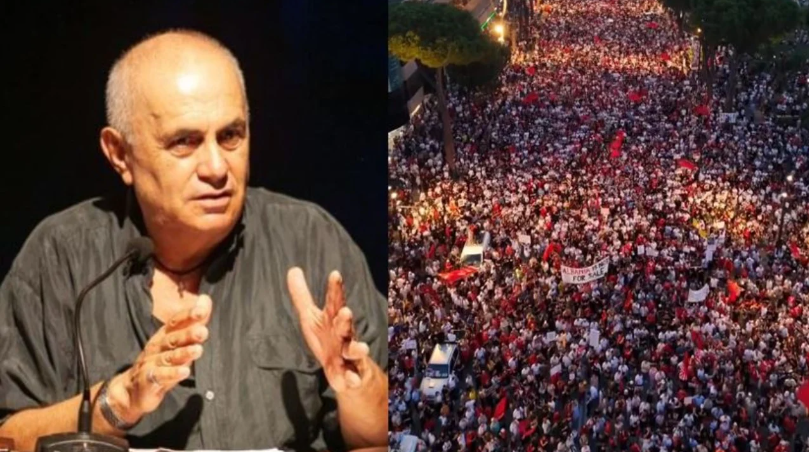
Now that citizens are active in public squares and engaged politically—a development that brings great hope for Albanian society—the more enlightened part of society may also be willing to listen to proposals for profound political, economic, social, and administrative reforms, many of which I have outlined in my previous books.
Institutions that have excluded citizens and forced them into the streets serve no one except those who have privatized them for their own interests.
Institutions must be opened permanently to citizens—not out of fear of being overthrown, but as the normal condition of a society living in the age of Artificial Intelligence, while some still operate with primitive clan-based mentalities.
20 Proposals for Political Reform
- No one should be allowed to serve as Prime Minister more than once or for more than a single term.
- Members of Parliament should be elected directly and individually by the people.
- Candidates nominated by political parties and candidates proposed by citizens should enjoy equal rights and obligations during the electoral process.
- The President of the Republic should also be eligible for nomination by citizens. The elected president should require a three-fourths parliamentary majority. If Parliament fails to elect a president, the decision should be made through a national referendum among the nominated candidates.
- No person should serve as a municipal councilor if they hold a leadership position in a political party, already occupy a public office, or have not resided in the municipality for at least five years.
- Citizens should have the right to vote wherever they freely choose, including locations where they own property or maintain residence.
- Local government should be decentralized. Municipalities should cover only distinct urban areas, while separate communes should be created for rural communities regardless of population size.
- Municipal councilors should be elected directly and individually rather than through party lists.
- No individual should hold two functional public service positions or receive a second public salary or honorarium for official duties.
- Local and national referendums should be easily initiated by citizens, especially on strategic issues where local authorities are unable to make final decisions.
- The justice system should be reformed by introducing citizen juries for serious crimes, corruption cases, and organized crime.
- Certain judicial positions should be elected directly by citizens.
- Parliament should be dissolved and new elections called upon the initiative of a specified number of citizens or by decision of the President. The same principle should apply to municipal councils.
- Elected bodies should bear collective responsibility, both legally and publicly, with cases reviewed by the Supreme Court.
- All civil servants should be recognized as public officials and should not be appointed or dismissed by ministers or political figures. They should report to institutional secretaries-general, be selected through national competitions, and only be dismissed through legal procedures.
- Every public official should bear personal legal responsibility for misconduct or negligence, regardless of who ordered or influenced their actions.
- Every citizen should have the right to sue the state for damages caused by government institutions or public officials.
- Official government websites should be recognized as public media and regulated by a dedicated law.
- The use of public resources during election campaigns should be strictly prohibited. Any candidate running for elected office should first resign from executive positions.
- Election campaigns should be publicly funded and free of financial burdens for candidates, ensuring equal opportunities for all participants.

