

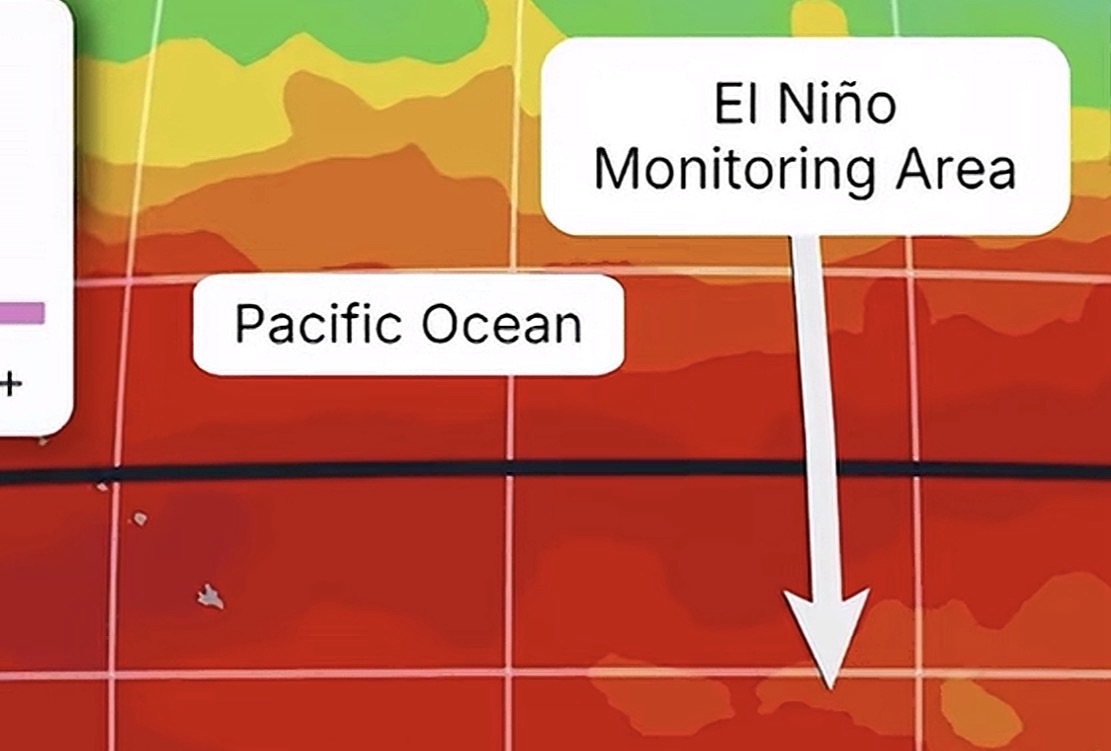
Meteorologists are closely monitoring the return of the El Niño climate phenomenon, which is expected to influence weather patterns across the globe in the coming months.
El Niño occurs when sea surface temperatures in the central and eastern Pacific Ocean become warmer than normal, affecting atmospheric circulation and leading to significant changes in weather conditions worldwide.
Experts warn that the renewed El Niño event could bring a higher risk of extreme weather, including intense heatwaves, severe droughts in some regions, and heavier rainfall and flooding in others. Scientists are also concerned about its potential impact on agriculture, water resources, and ecosystems.
According to climate specialists, governments and communities should prepare for possible disruptions caused by unusual weather events, as El Niño has historically been linked to record-breaking temperatures and natural disasters in various parts of the world.
Monitoring efforts are ongoing, with researchers continuing to assess the strength and duration of the phenomenon and its potential consequences for global weather patterns.

